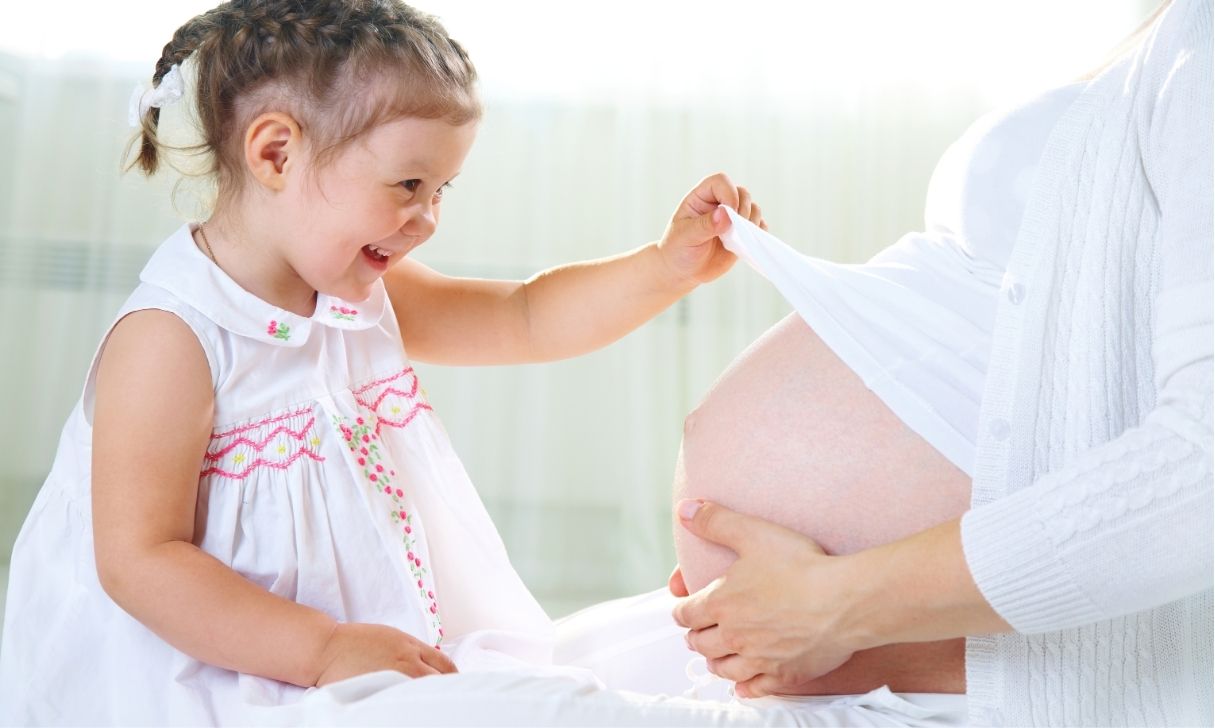
If you're hoping to have two children, one of the most important questions to ask early on is: When should I start trying for pregnancy? Understanding how age, fertility, and the spacing between pregnancies impact your chances of conceiving can help you make informed, confident decisions about your family planning.
In this blog, Dr Harish Bhandari shares evidence-based guidance on planning for two or more children, using trusted UK sources such as the NHS, NICE, HFEA and research studies to help you understand when to begin your journey.
Why Timing Matters When Planning for Two Children
Understanding Fertility and Age in the UK
Fertility naturally declines with age, starting in early 30s for women and much more rapidly after the age of 35 years. According to NICE, over 80% of couples will conceive within one year if the woman is under 40 and having regular, unprotected sex.* However, fertility drops significantly as egg quantity and quality decline with age.*
Here’s how age affects natural conception:
- Women aged 19–26: ~92% conceive within 1 year*
- Women aged 30–34: ~86% within 1 year*
- Women aged 35–39: ~82% within 1 year*
- Women aged early 40s - 45-55% within a year
In the UK, the average age of first-time mothers is now 31*, meaning many couples begin trying for their second child in their mid-30s. If you’re planning to have two children, starting earlier increases the chance of achieving that goal naturally.
For more on how age influences fertility, visit our page on female age and fertility.
How Many Children Do You Want, and Why That Affects When to Start?
If you're aiming for a larger family, it’s important to account for how long it might take to conceive each child and the time needed to safely space pregnancies. The longer you wait to start, the narrower the window may become, particularly if you’re over 35.
The cumulative time for conception, pregnancy, recovery, and readiness for a second child can easily span 2–4 years. That’s why many clinicians encourage early conversations about fertility goals, even before the first pregnancy.
One study suggests that to achieve a desired family size of three children is possible in 90% of the heterosexual couple if you start when the female partner is 23 years of age, and for two children by 27 years or sooner. These numbers are different if wishing to conceive using assisted conception.
Ideal Age Gaps and Health Considerations
NHS and NICE Guidance on Pregnancy Spacing
The NHS and NICE recommend an interpregnancy interval (the time between giving birth and conceiving again) of at least 18 months, but less than 5 years, to support healthy outcomes for both mother and baby.*
Shorter gaps may increase the risk of premature birth or low birth weight, while longer gaps might carry increased risks for complications in future pregnancies. This guidance gives couples time to recover emotionally and physically before starting again.
What If You’re Already Over 35?
If you’re starting your fertility journey at 35 or older, you’re not alone. Many people in the UK delay parenthood due to career, finances, or personal reasons. While fertility is lower in this age group, many still conceive naturally or with assistance.
According to NICE, women over 36 who haven’t conceived after six months of trying should be referred for fertility assessment sooner.* Additionally, IVF success rates decline with age, especially after 35 years, according to HFEA.*
At JIVA Fertility, we offer personalised fertility evaluations to help you understand your options and plan confidently.
Book a fertility consultation
Fertility Planning Tips for a Two-Child Family
Know Your Fertile Window and Menstrual Cycle
Having regular sexual intercourse, every 2 to 3 days throughout the menstrual cycle improves the chance of pregnancy.* For some, this may not be possible for various reasons and in those circumstances, to improve your chances of conceiving, it helps to understand your fertile window which is generally from six days prior to ovulation, and ending on the day of ovulation. Having sexual intercourse in fertile window gives you the best chances of conceiving. Ovulation typically occurs 12–16 days before your next period.
You can track ovulation using various methods such as, menstrual period tracking apps, basal body temperature, ovulation predictor kits etc, however, NICE guidelines suggest sexual intercourse every 2 to 3 days throughout the menstrual cycle.
Try our ovulation calculator to find your most fertile days.
When to Speak to a Fertility Specialist
It’s normal for it to take several months to conceive, but certain signs mean it's worth seeking support:
- You’re under 35 and haven’t conceived after 12 months of trying
- You’re over 36 and haven’t conceived after 6 months
- You have irregular cycles or known conditions (e.g. PCOS, endometriosis, pelvic/tubal surgery)
- Previous history of ectopic pregnancy or sexually transmitted infections
Early support can make all the difference. At JIVA Fertility, we offer compassionate, expert care tailored to your needs. Learn more about our fertility services.
Book your first consultation
Emotional and Practical Considerations
Balancing Careers, Finances and Family Plans
Many couples delay pregnancy due to financial or career considerations. While practical readiness is important, it’s also crucial to understand how waiting can affect fertility.
Talking openly with your partner, exploring flexible work options, or seeking fertility advice early can help you make empowered decisions. Fertility counselling is also available to help navigate emotions around planning and timing.
For support, visit our blog on fertility counselling.
FAQs: Planning for Two Children
Q: What is the best age to start trying for two or more children?
A: Most experts recommend starting in your early 20s if you hope to conceive three children naturally, and at least by 27 years if you wish to have two children, with time for safe pregnancy spacing.*
Q: How long should I wait between pregnancies?
A: The NHS recommends waiting at least 18 months between a birth and conceiving again for the best outcomes.*
Q: What are the chances of conceiving naturally after age 35?
A: Conception is still possible, but fertility declines. Around 82% of women aged 35–39 conceive within one year.* About 75% chance of having two children by natural conception if you start trying at the age of 34 years.
Q: When should I seek fertility advice if trying for a second child?
A: If you’re over 36 and haven’t conceived after 6 months, or under 36 and trying for a year, it’s time to seek specialist advice.*
Q: Can I still have two children if I start trying at 35 or older?
A: Yes, many do. You may need to plan more carefully and consider seeking early fertility assessment if there are delays.
Take the Next Step with JIVA Fertility
Planning for two children is deeply personal, and every journey is unique. Whether you're just beginning or facing delays, compassionate care and expert guidance can help you move forward with clarity.
Book an appointment with our fertility specialists to start your tailored path to parenthood.
Disclaimer: This article is intended for educational purposes and does not replace individual medical advice. Please consult a healthcare provider for assessment and treatment decisions.
References:
- NICE Clinical Guideline CG156. Fertility problems: assessment and treatment. nice.org.uk
- HFEA. Fertility treatment 2023: Trends and figures. hfea.gov.uk
- NHS. Fertility in the menstrual cycle. nhs.uk
- Office for National Statistics (2024). Birth summary tables. ons.gov.uk
- NICE CKS. Pre-conception advice and management. cks.nice.org.uk
- British Fertility Society. Age and fertility. britishfertilitysociety.org.uk
- Habbema, J. D. F., Eijkemans, M. J. C., Leridon, H., & te Velde, E. R. (2015). Realizing a desired family size: when should couples start? Human Reproduction, 30, 2215-2221