Egg Freezing: The Complete, Honest Guide to the Process, Success Rates and Costs
A complete guide to egg freezing: procedure, success rates by age, costs and UK storage rules, explained clearly.
Read More

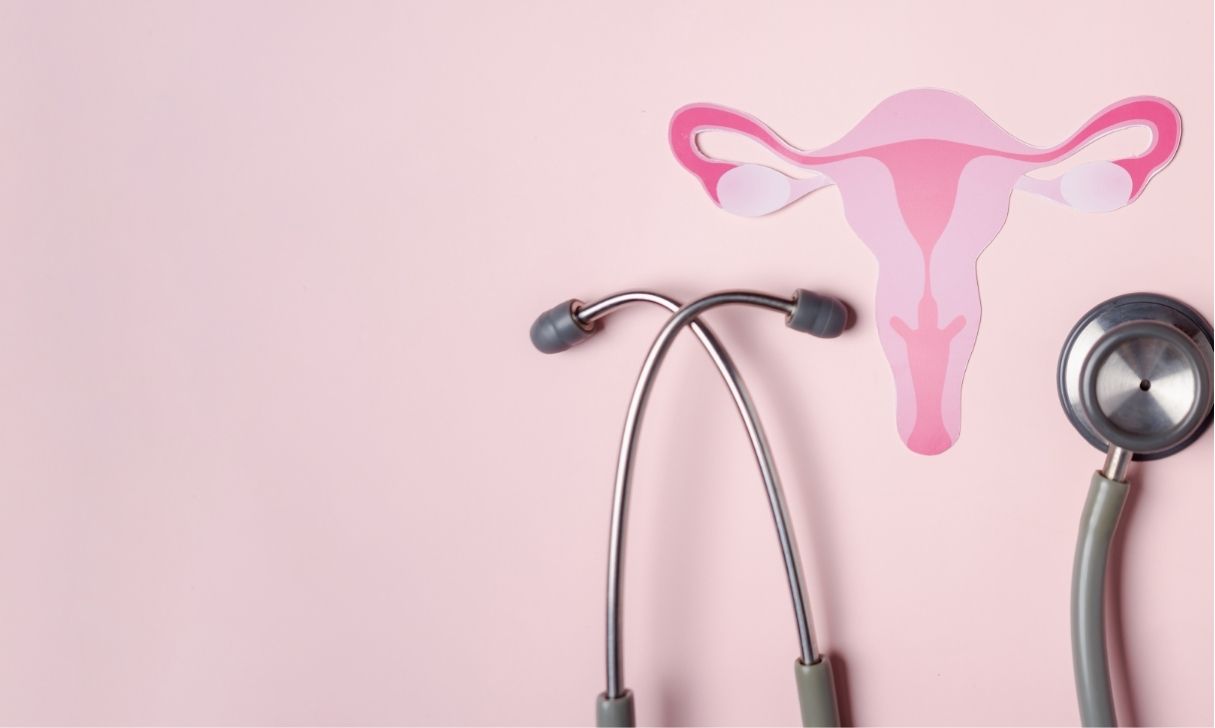


Polycystic Ovary Syndrome (PCOS) is one of the most common conditions affecting women of reproductive age. Despite its prevalence, it is frequently under-recognised, and many women live with symptoms for years before a formal diagnosis is made. For some, features emerge during adolescence, while for others PCOS only becomes apparent when menstrual irregularity or difficulty conceiving prompts investigations.
If you have recently been told you may have PCOS, or you suspect you might, it is important to know that you are not alone and that help is available.
This article explains what PCOS is, how common it is, how it is diagnosed, and what it means for fertility and long term health. You may also find it helpful to explore our guide on fertility evaluation and what to expect if you are considering an assessment.
PCOS is a complex endocrine and metabolic condition characterised by a combination of reproductive, hormonal, and metabolic features. Although the ovaries may be involved, PCOS is not just about ovaries.
Women with PCOS may have higher levels of androgens, sometimes referred to as male type hormones. This hormonal imbalance can interfere with ovulation, which is why periods may be irregular or absent. Some women experience symptoms of high androgens such as acne, greasy skin, excessive hair on face and/or body and hair loss from the scalp/male type baldness.
It is also important to understand the difference between Polycystic ovaries (Polycystic ovary Morphology is the appropriate term) and PCOS. Polycystic ovary morphology (PCOM) describe the appearance of the ovaries on an ultrasound scan, where many (>20 in each ovary) small follicles (egg containing sacs) are seen or the ovaries are enlarged (> 10 ml in volume). Not everyone with PCOM has symptoms of PCOS. The ‘cysts’ in polycystic is a misnomer - these are not cysts, but immature follicles (egg containing sacs)
It is estimated that PCOS affects approximately 1 in 10 women of reproductive age*.
For many women, the condition remains undiagnosed, especially if they are not trying to conceive or if symptoms are mild. This means the true number of women affected by PCOS may be higher than current estimates.
PCOS symptoms can be different from one person to another. Some women experience mild symptoms whereas some may experience many or severe symptoms.
If you are searching online for phrases such as “how do I know if I have PCOS” or “what are the first signs of PCOS”, these symptoms are often what prompt women to seek medical advice.
If symptoms suggest PCOS, a structured fertility evaluation can help assess hormone levels, ovulation, and overall reproductive health in a clear and supportive way.
PCOS is diagnosed based on an internationally accepted criteria. A diagnosis is usually considered when two out of three of the following features are present, after excluding other conditions*:
A structured fertility evaluation can help assess hormone levels, ovulation, and overall reproductive health in a clear and supportive way.
Your GP or specialist may recommend:
A diagnosis of PCOS does not always require an ultrasound scan, particularly in younger women.
Having PCOS does not always mean you cannot get pregnant. Many women with PCOS conceive naturally.
For some women, infrequent or absent ovulation can make it harder to conceive naturally and fertility treatments such as ovulation induction may be required. PCOS is one of the most common causes of ovulation related fertility difficulties*.
If you are concerned about fertility or symptoms of PCOS, an early assessment can help clarify your ovulation pattern and identify appropriate next steps.
PCOS is not only a gynaecological condition. It is actually an endocrine and metabolic condition with several long term health considerations.
Women with PCOS are more likely to experience:
This does not mean these outcomes are inevitable. Regular monitoring, lifestyle support, and appropriate medical care can significantly reduce long term risks.
You may also wish to read our related article on body weight and fertility, which explores how metabolic health can influence reproductive outcomes.
Management of PCOS is individualised and goal-oriented, taking into account symptoms, metabolic health, reproductive plans, and personal priorities.
Lifestyle interventions (lifestyle modifications) are recommended as first-line management for most women, particularly where metabolic health or excessive weight is a concern. JIVA Fertility’s Dietitian-Nutritionist, Maria Kolotorou has expertise in supporting patients with PCOS.
Medical treatments may be offered to:
Care is most effective when delivered within a supportive, informed, and multidisciplinary framework.
You should consider speaking to a GP or fertility specialist if you experience:
Early assessment can provide reassurance and help you understand your options.
A: Yes. PCOS affects around 1 in 10 women and is considered the most common hormonal disorder in women of reproductive age*.
A: Yes. PCOS can be diagnosed even if no cysts are seen on ultrasound. Hormonal symptoms and ovulation patterns are equally important. The ‘cysts’ in polycystic is a misnomer - these are not ovarian cysts, but immature follicles (egg containing sacs).
A: Many women with PCOS conceive naturally or with fertility support. Treatment is tailored to the individual.
A: Treatment focuses on managing your symptoms, supporting ovulation if fertility is a concern, and measures to reduce long term health risks, in line with NHS and NICE guidance.
PCOS is common, heterogeneous, and frequently misunderstood. With accurate diagnosis and evidence-based management, most women with PCOS achieve good fertility and long-term health outcomes.
If you have concerns about your symptoms or difficulty conceiving, please book an appointment with our consultants at JIVA Fertility for personalised assessment and advice.
Disclaimer: This article is intended for educational purposes and does not replace individual medical advice. Please consult a qualified healthcare professional for personalised assessment and treatment.
A complete guide to egg freezing: procedure, success rates by age, costs and UK storage rules, explained clearly.
Many women in the UK wait years for a PCOS diagnosis. Here is what the evidence shows about the delay, why it happens, and what evidence-based care looks like.