Endometriosis and Fertility: What NICE's New 2026 Treatment Pathway Means for You
NICE's NG257 update gives endometriosis its own fertility pathway. See what changed, how the pathway works, and what it means if you're trying to conceive.
Read More

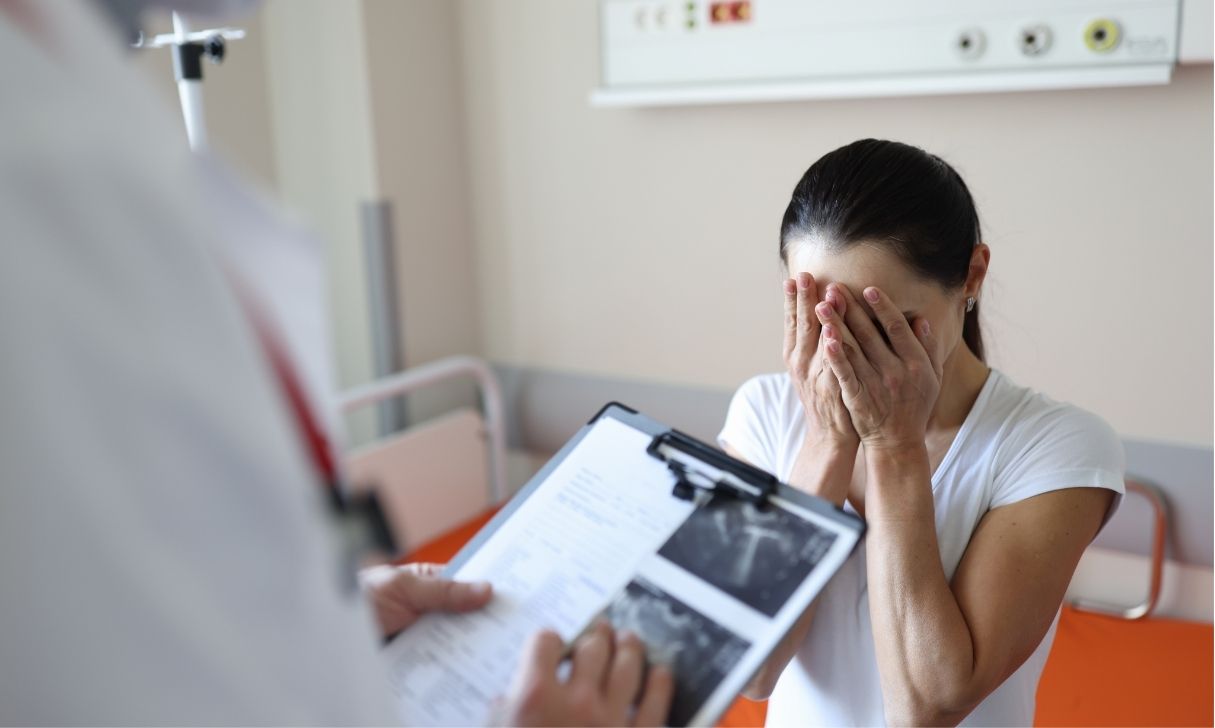


Miscarriage is more common than many people realise, yet it remains a deeply personal and often isolating experience. If you're pregnant or trying to conceive and have suffered a miscarriage or repeated (recurrent) miscarriages in the past, it's natural to wonder: What are my risks of miscarriage? This blog explains what factors may increase the risk of miscarriage, how miscarriage risk varies across different stages of pregnancy, and when it might be helpful to seek support or medical advice.
A miscarriage refers to the loss of a pregnancy before 24 weeks, with most occurring in the first trimester (the first 12 weeks). Many early losses happen before a woman even realises she might be pregnant. It's important to know that miscarriage is rarely caused by something you did or didn’t do. Everyday activities like moderate exercises, work, or having sex are not linked to pregnancy loss.
Miscarriage affects around 1 in 5 confirmed pregnancies*. However, some estimates suggest the real number could be higher when accounting for very early losses. While this can sound alarming, it's also important to understand that the likelihood of miscarriage typically decreases as pregnancy progresses.
Several factors can influence your risk: though many individuals with risk factors still go on to have healthy pregnancies and a majority of couple with no obvious risk factors sadly experience miscarriage.
Evidence suggests the miscarriage rates to be 11.3%, 17.0%, 28.0%, 39.6%, 47.2% and 63.9% for women with no previous, one, two or three, four, five and six previous miscarriages respectively.
Despite recurrent miscarriages, most women go on to have a healthy live birth rather than a repeat miscarriage. Compared to a woman who has never miscarried, the risk of repeat miscarriage is slightly higher in those who have experienced recurrent losses.
Increased parental (both maternal and paternal) Age is associated with higher risk of miscarriage, but many women over 35 have healthy pregnancies, especially with good preconception care.
Risk of miscarriage appears to be same irrespective of mode of conception.
Yes. Once a fetal heartbeat is detected (typically around 6 to 8 weeks), the chance of miscarriage reduces. For many, this milestone offers a sense of reassurance. However, it is not failproof, and sadly, miscarriage can still occur beyond this stage.
If you've experienced bleeding, cramping, or are concerned about your pregnancy for any reason, it's always appropriate to reach out to your GP or miscarriage specialist. Early reassurance scans and support has been shown to have beneficial effect in pregnancy outcomes.
If you've had repeated miscarriages, a specialist consultation can help prompt diagnosis of any underlying causes, and for appropriate management and support prior to and in future pregnancies.
Miscarriage can be emotionally difficult, even when it happens very early. You're not alone, and it’s okay to seek support. Talking to a specialist counsellor, support group, or a trusted GP can help you process your experience and feel more empowered about your next steps.
While miscarriage is sadly a common part of the fertility journey, every individual’s situation is unique. If you're worried as you have had previous miscarriage, or that you may have risk factors that increase miscarriage risk, our Reproductive medicine Experts/Miscarriage Specialists at JIVA Fertility are here to support you with compassionate care. We offer investigations, early pregnancy monitoring, and personalised treatment plan to help you feel informed and cared for at every stage. Please visit JIVA Fertility for further information about recurrent miscarriage and our assessment packages.
Concerned about your risk of miscarriage?
Book a consultation with one of our Reproductive medicine specialists to get tailored support and answers you can trust.
Disclaimer: This article is intended for educational purposes and does not replace individual medical advice. Please consult a healthcare provider for assessment and treatment decisions.
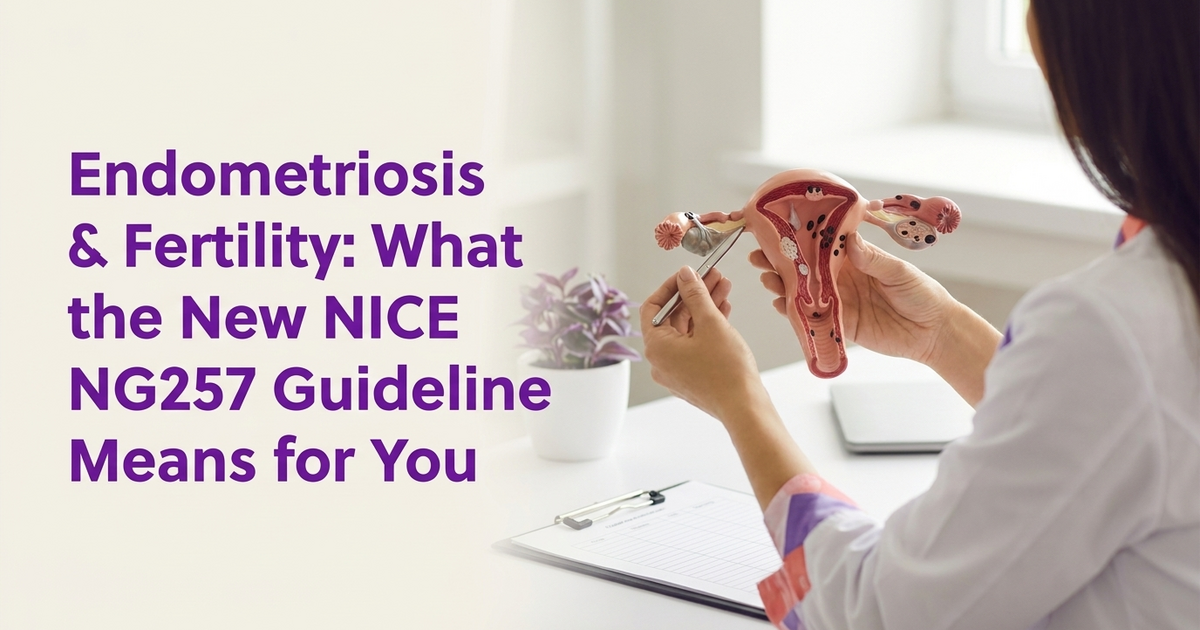
NICE's NG257 update gives endometriosis its own fertility pathway. See what changed, how the pathway works, and what it means if you're trying to conceive.
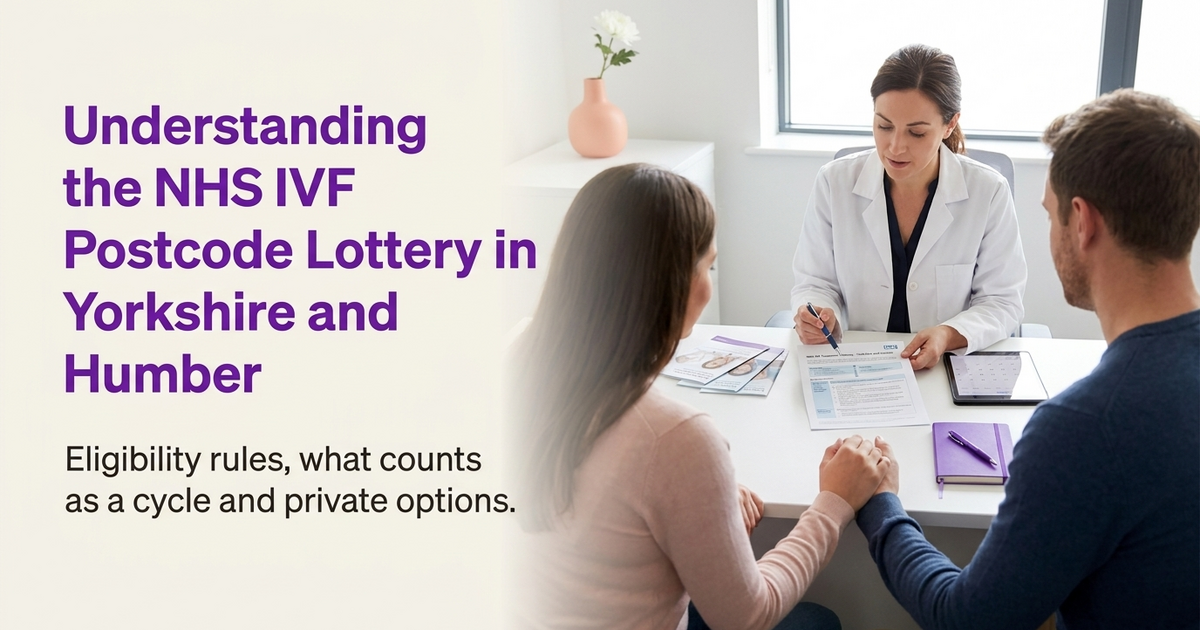
Yorkshire and Humber ICB's fund one NHS IVF/ICSI cycle, below NICE's recommended three. See the exact eligibility criteria, what counts as a cycle, and when private care makes sense.